Rodent Routes and Dock Levellers: A Room-by-Room Pest Audit for Scottish Warehouses
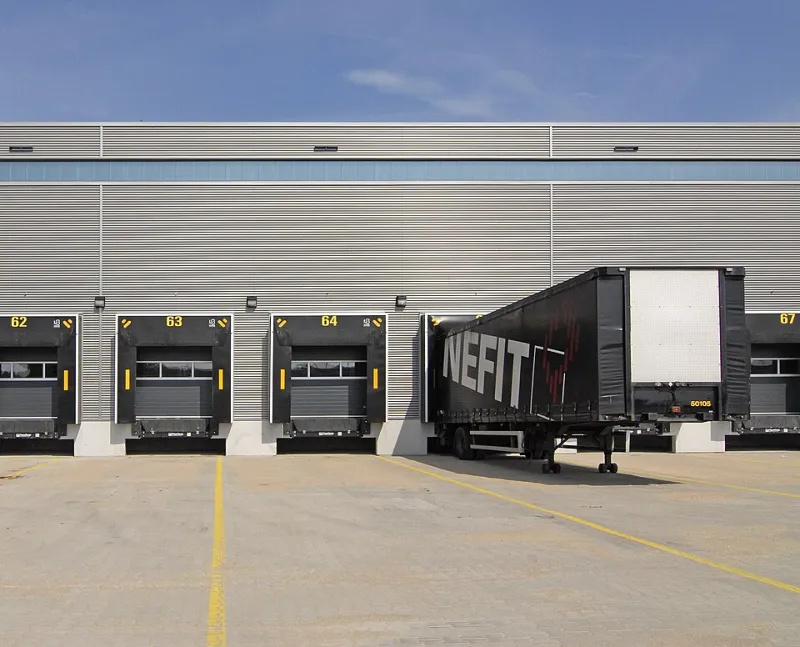
Photo: Mark LS, CC BY-SA 4.0, via Wikimedia Commons
Pest control is one of the few warehouse risks that is both routine and invisible. A contractor visits, bait stations are checked, a certificate is filed. Nothing appears to happen. Then a pallet of food-grade stock is rejected, or a customer audit finds droppings in a racking void, and the issue becomes urgent. The gap is rarely the contractor. It is the absence of a structured pest prevention audit inside the operation.
Scottish warehouses have particular exposure. Older industrial stock often has imperfect cladding, deep drainage runs and loading bays that were not designed for modern trailer fleets. Rain and wind push pests towards shelter. Temperature swings encourage birds to roost on ledges and insects to settle in damp corners. A pest audit should therefore be a building and behaviour review, not simply a count of bait points.
Why the building stock matters
Rodents follow routes. They prefer edges, cover and access to food and water. In an older Scottish warehouse, those routes can include damaged cladding, gaps beneath roller shutters, service penetrations and drainage systems that connect the yard to the building. Birds are attracted by loading canopies, roof lights and waste compounds. Insects can establish in spilled product, damp packaging or standing water.
The audit should begin with the assumption that pests are already nearby. The question is not whether the site is attractive, but where it is most attractive and how quickly a small population could reach storage areas.
External perimeter and yard
Walk the boundary before entering the building. Check fences, gates, vegetation and waste areas. Look for gaps beneath gates, damaged fencing and fly-tipping. Check the waste compound for bin lids that do not close, spilled product and infrequent collection. In Scotland, wet weather can make waste areas muddy and difficult to clean, which creates both food and harbourage.
Check drains, gullies and standpipes. A rodent can use a drain as a highway. Look for broken covers, silt and standing water. Check the yard for pallets stored against walls, discarded packaging and equipment that has not moved for months. These are not storage; they are habitat.
Dock levellers and goods-in
Dock levellers are a classic pressure point. Inspect the pit for debris, standing water and gaps at the edges. Check dock seals and shelters for tears. Look at the corners where the leveller meets the building; these are often overlooked and can provide a route beneath the door. Check bumpers and the area behind them.
Goods-in itself is an inspection point. Damaged pallets, torn packaging and returned stock should be checked before they enter the storage envelope. Trailers can carry pests, and a trailer parked overnight with the door open is an invitation. The audit should ask whether inbound checks actually happen at peak, or whether they are skipped when the yard is busy.
Drainage and service voids
Drainage is not just a yard issue. Check internal gullies, grease traps, toilets and canteen areas. Rodents can move through service voids and follow pipework. Look at penetrations through walls and floors, cable trays and risers. Check false ceilings in offices and welfare areas. These are not typical warehouse floors, but they are part of the same building envelope.
A simple mirror and torch inspection can reveal gaps that a monthly bait check will never find. The audit should record the location and condition, not just the presence of bait.
Racking voids and storage areas
Racking creates an ideal environment for pests: dark, undisturbed and often full of cardboard. Check the bottom level of racking, the voids behind pallets and the corners of the warehouse. Look for gnaw marks, droppings, smear marks and nesting material. Check pallet bases and damaged packaging. Spilled product should be cleaned immediately, not left until the next shift.
Stock rotation matters. Slow-moving pallets at the back of a bay can sit undisturbed for months. The audit should identify those positions and bring them into the rotation. Where practical, keep stock off walls and off floors to remove cover and make inspection easier. This is not a complete solution, but it reduces the number of places a pest can hide.
Waste compound and welfare areas
The waste compound is often the highest-risk area on site. Check bin lids, compaction equipment, spills and collection frequency. Bird netting and proofing should be intact. Canteens, vending areas and staff lockers can provide food and water. Check for crumbs, spills and unwashed containers. A clean welfare area is not a luxury; it is part of the pest prevention envelope.
Roof and fabric
Check the roof void, gutters and roof lights. Birds can roost on ledges and in canopy joints. Water ingress can create damp conditions that attract insects. Check cladding for gaps and damage, especially at corners and around doors. In older Scottish warehouses, a small cladding defect can become a persistent route.
Recording and response
The audit should produce a short action log: location, finding, risk, owner and due date. A pest contractor's report is useful, but it is not a substitute for an internal walk. If the same dock leveller appears three months running, the problem is the door, not the bait. If the waste compound is repeatedly flagged, the issue may be collection frequency or bin condition.
Review the log monthly and after severe weather. Close actions and verify them. The aim is not a perfect building; it is a building where routes are known, conditions are controlled and small evidence is found before it becomes a customer complaint. In Scottish warehousing, pest prevention is a year-round discipline, not a summer campaign.