Proof, Not Promises: Preparing Scottish Warehouses for Insurer Risk Surveys

Insurance surveys have a reputation for arriving at an inconvenient moment and leaving behind a list of recommendations. In practice, a well-run Scottish warehouse should treat the visit as a structured review of operational control. In 2026, insurers are not simply asking whether a site has a fire risk assessment or an alarm system. They are asking whether the operator can demonstrate that these controls are maintained, understood and effective. The surveyor is testing evidence, not intent.
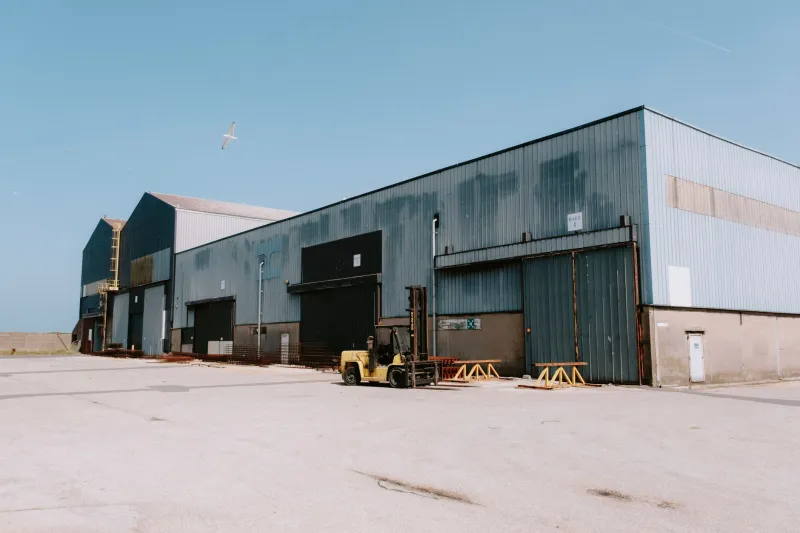
That distinction matters across Scotland's mixed warehouse stock. Older industrial estates, multi-let units, coastal sheds and modern distribution facilities all present different risk profiles. Insurers know this. Their surveys tend to focus on the points where small operational gaps can become large losses: fire compartmentation, racking discipline, flood exposure, security routines and documented maintenance. None of these is exotic. All of them are frequently imperfect.
What the surveyor is actually testing
A risk survey is not an audit in the regulatory sense, although it overlaps with statutory duties. It is a commercial assessment of hazard and control. The surveyor will look at the building, the goods, the processes and the management system around them. They will consider how quickly a fire could spread, how stock is stored, how contractors are controlled and how the site would respond to water ingress or intruders.
What often separates a straightforward report from a difficult one is the quality of the paper trail. A warehouse manager may know that fire doors are checked weekly, that racking is inspected and that the alarm is tested. If those activities are not recorded, the surveyor can only treat them as unproven. Good intentions do not carry much weight in a risk assessment.
Fire compartmentation and the limits of good housekeeping
Fire remains a central concern. Surveyors commonly flag fire doors that are wedged open, missing or damaged intumescent seals, unsealed service penetrations and compartment lines obscured by storage. They look for sprinkler heads that are too close to stock, obstructed extinguishers, accumulated packaging and inadequate control of hot work. A current fire risk assessment is expected, but so is evidence that actions arising from it have been closed out.
Scottish warehouses often contain a mix of legacy construction and newer fit-out. That can create awkward junctions between old walls, new racking and changed use. A surveyor may ask for drawings or previously issued fire strategy information. Where these are unavailable, the site should be able to explain how compartmentation is maintained in practice and who is responsible for checking it. A documented routine is more persuasive than a verbal assurance.
Racking housekeeping as a visible signal
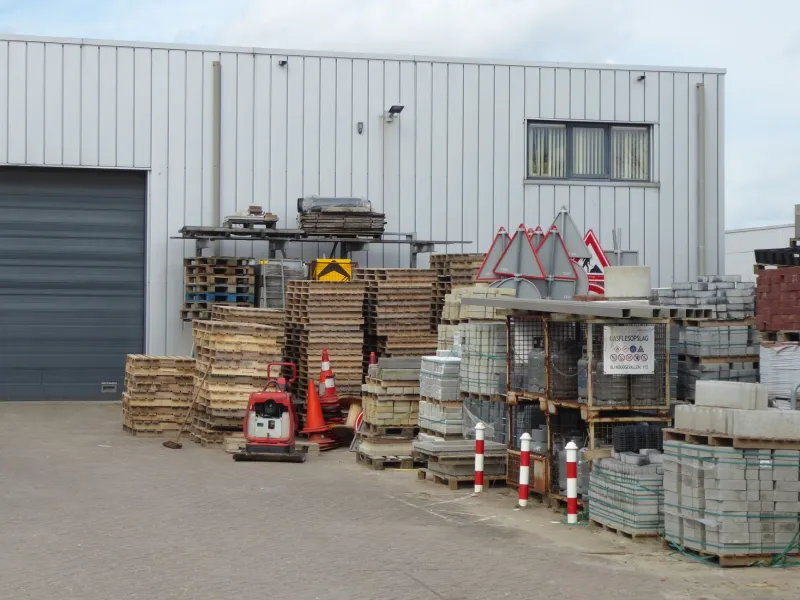
Racking is one of the most revealing areas on any survey. Damaged uprights, missing beam locks, overhanging pallets and narrow aisles suggest that throughput is being prioritised over discipline. Surveyors also look at the less obvious points: the condition of racking protection, the height of stock relative to sprinkler clearance and the separation of aisles from temporary storage.
An inspection regime should be in place, with recorded findings and evidence of corrective action. Operators do not need a perfect racking estate, but they do need to show that defects are identified and managed. A folder of completed inspections, with photographs of repaired damage and a clear escalation route, tells the surveyor that the site understands its own risk. A racking system that is visibly damaged and undocumented suggests the opposite.
Flood exposure and weather resilience
Flood risk is not confined to sites beside a river. Surface water, blocked drainage, defective gutters and yard gradients can all cause losses. In Scotland, insurers increasingly expect operators to understand exposure using available flood mapping and site-specific knowledge. A flood plan that identifies vulnerable stock, isolation points, pump arrangements and temporary relocation options is useful. A plan that has never been exercised is less so.
Surveyors may also note roof condition, rainwater goods and the potential for wind-driven rain to enter through roller doors or damaged cladding. These are maintenance issues as much as insurance ones. Where a site has experienced previous water ingress, the evidence of remedial work and monitoring will be relevant. The aim is not to eliminate every conceivable event, but to show that foreseeable exposure is recognised and controlled.
Security routines and the paper trail
Security surveys often reveal a gap between installed equipment and daily practice. CCTV may be present but not monitored; alarms may be functional but keyholder lists out of date; access control may exist but contractor inductions are inconsistent. Surveyors look at perimeter condition, yard gates, lighting, intruder detection and the arrangements for lone working or out-of-hours access.
As with fire, the evidence matters. Patrol logs, alarm test records, visitor books and keyholder registers should be current. If the site relies on a guarding provider, the assignment instructions and response arrangements should be available. A surveyor is less interested in the sophistication of the system than in whether it is operated as intended.
Maintenance records: the quiet differentiator
Documented maintenance is frequently where well-managed sites distinguish themselves. Fire systems, sprinklers, emergency lighting, roller shutters, drainage pumps and electrical installations all need planned attention. Statutory testing and routine maintenance should be recorded in a way that can be produced quickly. Gaps in records can become conditions on cover, particularly where a system is central to the risk assessment.
This does not mean every minor defect must be closed before a survey. It does mean that open items should be known, prioritised and supported by a remediation plan. Surveyors tend to respond better to a candid gap with a dated action than to an assertion that everything is under control.
Building the evidence file before the visit
Preparation should begin well before the surveyor arrives. A practical survey pack might include site plans, the fire risk assessment, racking inspection records, maintenance schedules, security procedures, flood arrangements, contractor permit systems and an action tracker for previous recommendations. Operations and maintenance teams should walk the site together beforehand, photographing issues and closing minor defects where possible.
It is equally important to brief the site team. Surveyors ask questions of warehouse staff, not only managers. If an operative cannot explain what to do when a fire door is found defective or how to isolate a sprinkler system, the management system will look weaker than it may be. Honesty is more credible than a staged visit; experienced surveyors notice both.
When gaps become premiums or conditions
Small operational gaps can have commercial consequences. They may lead to risk improvement recommendations, increased excesses, warranties, exclusions or premium adjustments. Conditions requiring the maintenance of sprinklers, alarms or housekeeping standards can affect claims if they are not met. For multi-let Scottish units, responsibility for shared systems and building fabric should be clear between landlord and tenant before renewal discussions.
Engaging a broker early, and providing evidence in advance, can reduce the scope for surprise. The survey is not simply a test of the building. It is a test of whether the operation can prove that its controls are live. In 2026, that proof is the real currency of a good insurance review.