Holding the Line: Why Scottish Warehouses Are Rebalancing Towards Just-in-Case in 2026
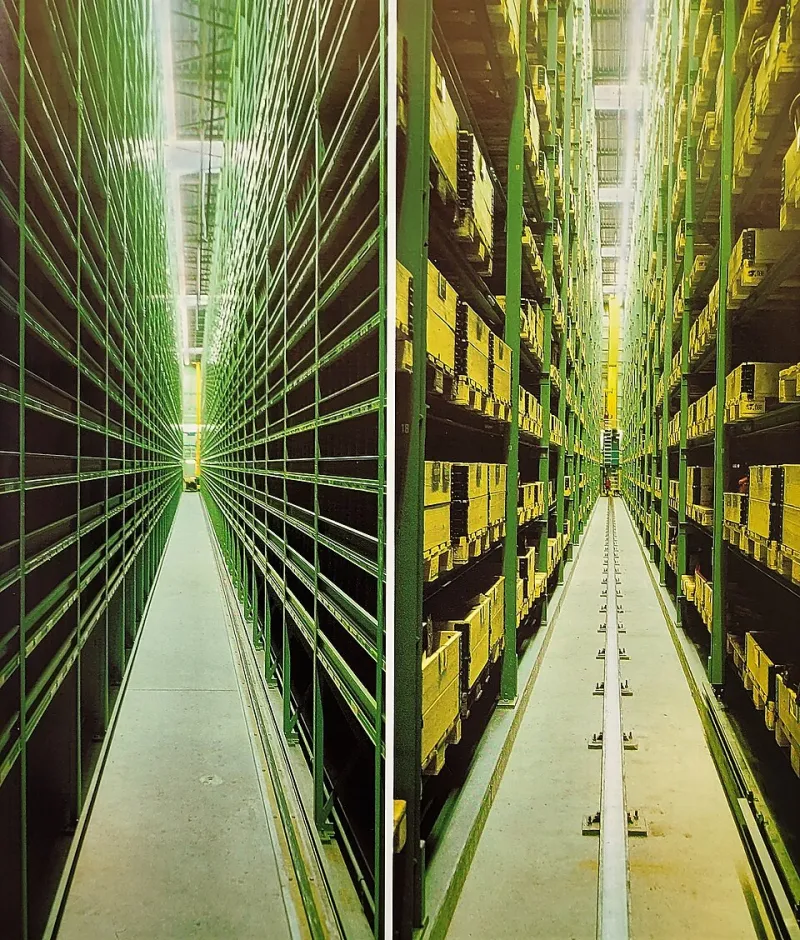
Photo: BBCLCD, CC BY-SA 4.0, via Wikimedia Commons
For years, the dominant message in warehousing was to hold less stock, turn it faster and let supply chains run lean. In 2026, that message is being qualified. Scottish warehouse operators are not abandoning efficiency, but many are reassessing how much buffer inventory they need to keep promises to customers when freight, weather and global events remain unpredictable.
The shift is sometimes described as a move to just-in-case. The phrase is useful shorthand, but it can mislead. Holding more stock is not automatically prudent, and it is not a substitute for good forecasting. The real question is where a buffer earns its keep and where it simply ties up cash and floor space.
From lean to resilient
Lean inventory works best when lead times are stable, demand is predictable and replenishment is reliable. Those conditions have been tested repeatedly in recent years. Scottish operators have had to contend with ferry disruption, port congestion, customs friction, road closures and severe weather, alongside the normal pressures of seasonal demand and labour availability.
For sites serving customers who expect next-day or named-day delivery, a stock-out is not just a lost sale. It can damage a contract or push a customer towards a competitor. That calculation is behind much of the reappraisal. Buffer stock is being used selectively to protect service levels on lines where failure is costly and replenishment is uncertain.
The cashflow and space trade-off
Just-in-case inventory has an obvious cost. Working capital tied up in stock cannot be spent elsewhere. Storage space is consumed, insurance values rise and the risk of obsolescence increases. For businesses with thin margins, those are serious considerations.
The trade-off is rarely uniform across a product range. A high-margin, long-lead-time item may justify a substantial buffer. A low-value, fast-moving line with reliable local supply may not. Operators need to segment inventory by criticality, lead-time variability, demand volatility and the cost of a stock-out. Just-in-case should be a targeted policy, not a blanket instruction to fill the warehouse.
There is also a behavioural risk. Buffer stock can mask poor forecasting and weak supplier management. If every late delivery is answered with another pallet of safety stock, the underlying problem remains. The most credible approaches combine higher buffers on selected lines with better visibility, supplier collaboration and clear rules for reviewing stock levels.
What buffer stock does to racking and pick faces
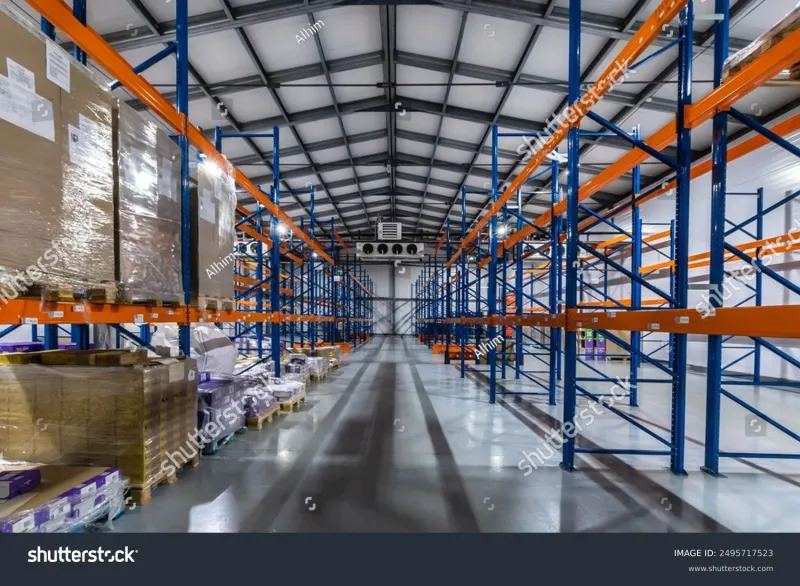
Higher inventory changes the physical operation. Racking that was designed for a lean, fast-turnover profile may not suit a site holding more weeks of cover. Operators may need additional pallet locations, more flexible shelving or a clearer separation between reserve stock and pick faces.
Pick faces deserve particular attention. If buffer stock is stored in the wrong place, pickers spend more time replenishing and less time picking. A common mistake is to fill every available pick face with slower-moving stock, crowding out the fast movers that generate most orders. Slotting should follow demand, not simply the availability of space.
Reserve storage may need to be reconfigured to accommodate larger holding volumes. That can mean reviewing beam levels, aisle widths and the balance between pallet and shelf storage. It may also mean accepting that storage density and picking speed are in tension. The right answer depends on the order profile and the cost of labour versus the cost of space.
Yard planning and the hidden constraint
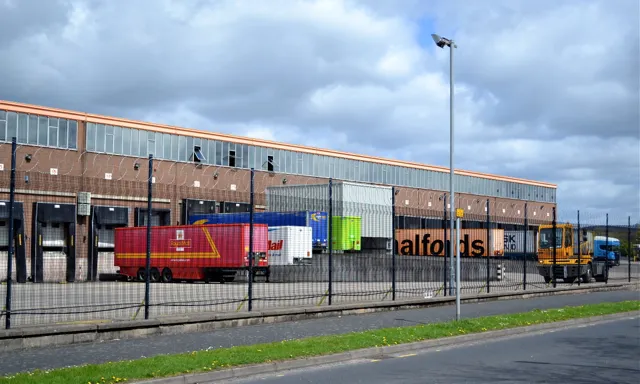
Buffer inventory does not only occupy racking. It affects the yard. More stock often means more deliveries, more trailers, more containers and more vehicles waiting to be unloaded. Sites that were designed for frequent, small replenishments can quickly become congested when larger or less predictable deliveries arrive.
Yard planning should therefore be part of the inventory conversation. Operators need to consider turning areas, trailer parking, container drop zones and peak arrival patterns. In some Scottish sites, winter weather and limited daylight already constrain yard operations; adding buffer stock without reviewing traffic flow can make those constraints worse.
When holding more stock makes sense
The case for higher buffers is strongest where supply is genuinely uncertain, lead times are long, customers impose penalties for late delivery, or the cost of a stock-out far exceeds the cost of carrying stock. It is also stronger where storage space is relatively cheap and working capital is not under severe pressure.
The case is weaker where products are perishable, fashion-sensitive or subject to rapid obsolescence. It is also weaker where suppliers are reliable and replenishment can be accelerated. In those situations, extra stock may simply increase cost without improving resilience.
A balanced approach is to treat just-in-case as a risk management tool rather than a philosophy. That means setting buffer levels deliberately, reviewing them regularly and being honest about the operational consequences. It also means recognising that resilience has a price, and that price should be visible in the business case.
Conclusion
The lean model is not dead, but it is being tempered by experience. Scottish warehouse operators in 2026 are more likely to ask which lines need protection, how much buffer is justified and what that does to racking, pick faces and yard capacity. Just-in-case can be a sensible response to volatility, provided it is applied selectively and supported by disciplined inventory management. Holding more stock is not a strategy in itself; holding the right stock, in the right place, for the right reasons, is.