The Cold Shoulder: Scotland’s Temperature-Controlled Storage Gap in 2026
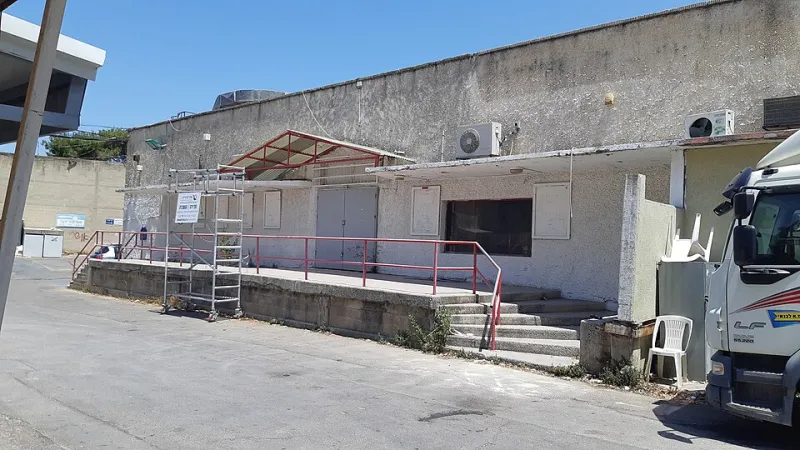
Photo: Danny Gershoni, CC BY-SA 4.0, via Wikimedia Commons
Scotland’s cold chain is being pulled in two directions at once. Demand for temperature-controlled storage is broadening beyond the traditional frozen seafood and dairy base, while the supply of suitable sites, power and refrigeration capacity remains constrained. For operators reviewing storage strategy in 2026, the question is no longer simply whether to add cold space. It is where, in what configuration, and with what level of resilience.
Demand is broadening
The traditional anchors of Scottish cold storage remain important. Seafood landed at ports such as Peterhead and Fraserburgh, dairy processors in Ayrshire and Dumfries and Galloway, and food-and-drink exporters all depend on reliable chilled or frozen capacity. But the customer base is widening. Pharmaceutical and life-sciences suppliers in the Central Belt require validated, temperature-controlled environments with tight documentation. Food manufacturers and online retailers are holding more stock closer to customers. Exporters are looking for cold chain partners that can support consignment consolidation and onward movement.
This is not purely a volume story. It is a service story. Customers increasingly want multi-temperature storage, shorter order cycles, accurate temperature records and the ability to scale up during seasonal peaks without paying for permanent capacity all year.
The energy and site bottleneck
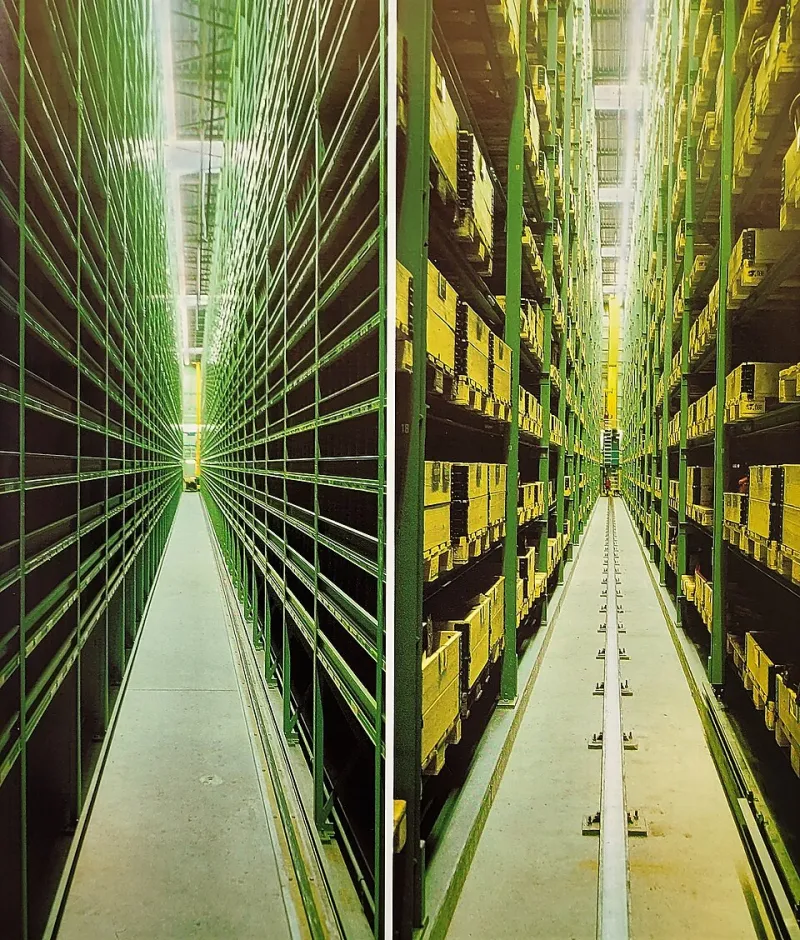
Cold storage is energy-intensive. Refrigeration, lighting, defrost cycles and door movements all draw power, and the cost of electricity remains a material factor in the operating model. For older facilities, the gap between designed performance and actual performance can be wide. For new facilities, the challenge is often securing a site with sufficient power capacity, floor loading and height in a location that works for transport.
The pipeline of suitable sites is limited. Industrial land in the Central Belt is competitive, and not every brownfield site can support a cold store without significant enabling works. Grid connections can be slow or expensive. Planning and environmental requirements add further complexity. The result is that cold capacity is not easily switched on in response to demand; it is planned, financed and built over a longer cycle.
Shared-user, 3PL or on-site?
Operators facing a capacity gap have three broad options. Each has a different risk profile.
A shared-user cold store allows several customers to use common facilities and shared equipment. It can improve utilisation, spread fixed costs and offer access to multiple temperature zones without each customer building its own. The trade-off is less control over scheduling and, in some cases, less influence over the precise handling regime. For smaller exporters or businesses with variable volumes, shared-user space can be a sensible entry point.
A third-party logistics (3PL) arrangement transfers much of the operational burden—labour, refrigeration, compliance and peak flexing—to a specialist. That can be attractive for businesses that want to focus on production or sales. It also introduces dependency: service levels, contingency planning and data visibility need to be tested before peak season, not after.
On-site investment gives the greatest control over temperature, handling and customer experience. It also carries the highest capital commitment and the longest payback. For operators with a stable base load, a clear export strategy and the ability to use the space year-round, an on-site cold store or an extension can be justified. For others, a hybrid model—base capacity on site, overflow with a 3PL or shared-user provider—may be more resilient.
Location and compliance
Cold chain strategy is also a geography decision. Seafood processors need proximity to ports and reliable road links. Dairy and food manufacturers need access to production sites and distribution networks. Pharmaceutical suppliers need validated transport routes and facilities that can demonstrate control from receipt to dispatch. The Central Belt offers connectivity, but competition for land and power is intense. Regional locations may offer lower costs and closer proximity to raw material, but they can add transport miles and reduce access to labour.
Compliance is not a back-office detail. Food customers expect robust food safety systems, often aligned with BRCGS requirements. Pharmaceutical customers expect GDP-compliant storage and distribution, with validated temperature mapping, alarms and deviation management. Refrigerant management and environmental obligations also matter, particularly for older equipment. A cold store that cannot evidence control may struggle to win contracts, regardless of its location.
Resilience by design
The most important question in cold chain is what happens when something goes wrong. A refrigeration failure, power interruption or door left open can compromise stock quickly. Resilient facilities typically combine dual refrigeration capacity, backup power, remote temperature monitoring, alarm escalation and a documented contingency plan. Temperature mapping should reflect real operating conditions, including door openings and peak loading, not just an empty room.
Energy strategy is part of resilience. Solar photovoltaics, heat recovery, battery storage and demand-side response can reduce exposure to price volatility and improve the facility’s overall efficiency. They are not a substitute for a well-maintained refrigeration plant, but they can make the difference between a marginal cold store and a competitive one.
A 2026 strategy test
For UK operators reviewing cold storage in 2026, a useful test is to separate the base load from the peak. What volume must be controlled every week, and what volume appears only in seasonal or contract-specific bursts? Base load is a candidate for owned or long-lease capacity. Peak load is often better met through shared-user or 3PL arrangements, provided service levels and contingency plans are clear.
The second test is location. Is the facility close to the product, the port or the customer? The answer may differ by commodity. The third is evidence. Can the operation demonstrate temperature control, inspection records, maintenance routines and business continuity? In a tighter market, those proofs are as important as the headline rate per pallet.
Scotland’s cold chain will not be solved by one model. It will be built from a mix of specialist shared-user stores, 3PL partnerships and targeted on-site investment. The operators that plan that mix deliberately—rather than adding capacity in a scramble—will be better placed when demand rises and when the next disruption arrives.