The Final Few Miles: Why Scottish Storage Is Drifting Towards the Customer
Photo: U.S. Marine Corps photo by Cpl. Jeremiah Barksdale, Public domain, via Wikimedia Commons
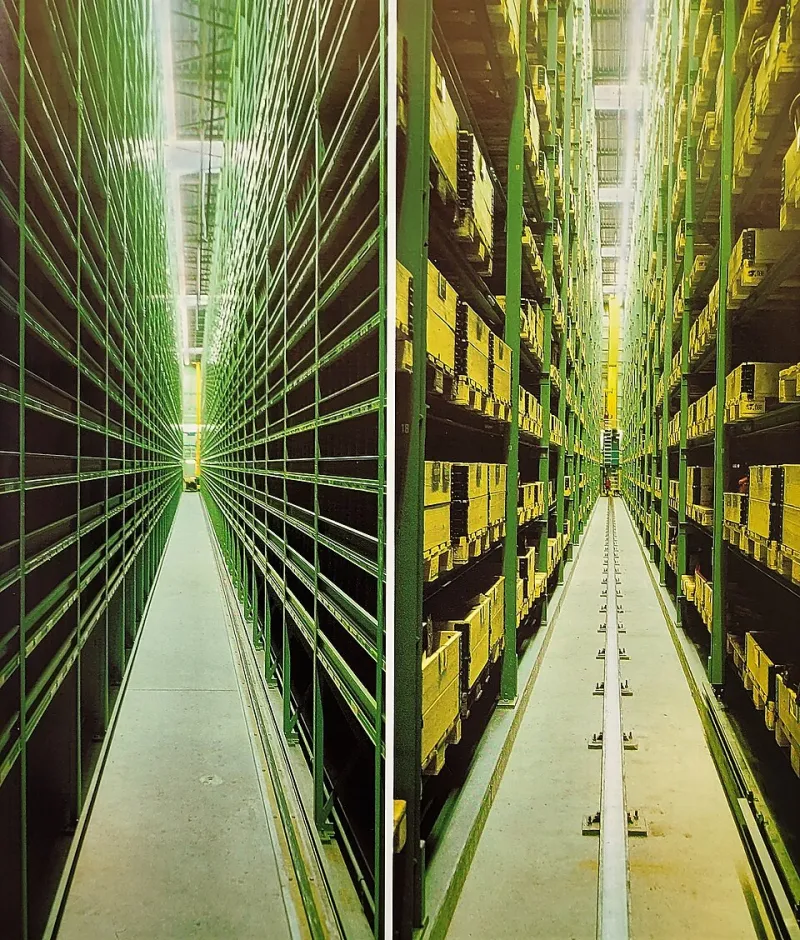
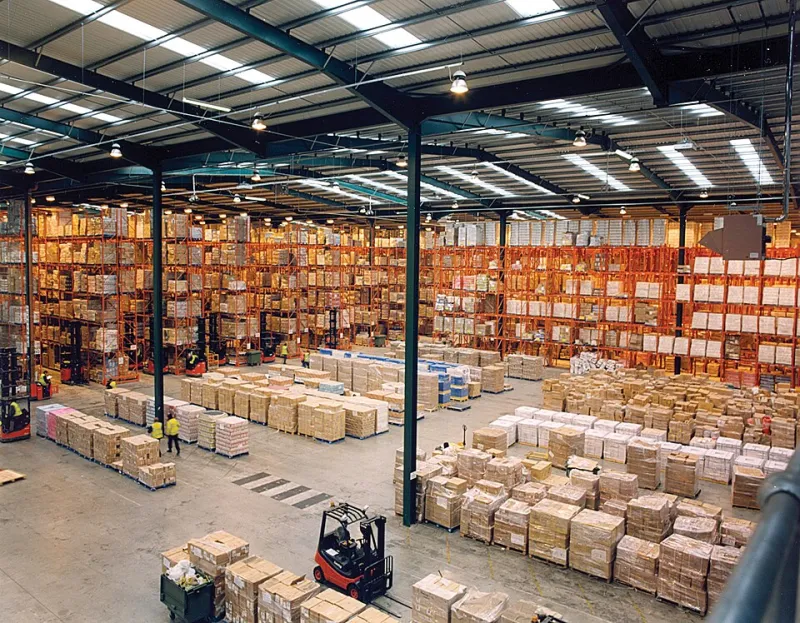
Scotland's distribution geography was built on a straightforward proposition: put the stock where land is affordable and let the trunk roads absorb the distance. That logic gave the country its familiar pattern of large, deep-racked sheds along the M8 corridor, around Livingston and Newbridge, and on the industrial edges of Aberdeen — sites chosen for yard depth, trailer circulation and rent per pallet rather than proximity to the person receiving the parcel.
That model has not been abandoned. But through 2026 it is being amended at the margins, and the amendments are beginning to add up. A growing number of operators now run a primary distribution centre alongside one or more satellite sites closer to the customer, and a smaller group is experimenting with genuine micro-hubs of a few thousand square feet inside the urban boundary.
Why the Centre of Gravity Is Moving
The pressure is coming from the delivery end, not the storage end. Storage is cheap where land is cheap; delivery is expensive where people live. As order profiles fragment, as timed slots and same-day cut-offs become standard expectations in grocery, trade supply and bulky home goods, and as the cost of a failed or re-attempted drop stays stubbornly high, the arithmetic of the final leg starts to dominate the network model.
Add to that the compliance layer. Glasgow, Edinburgh, Aberdeen and Dundee all operate low-emission zones, and fleet renewal towards electric vans and cargo bikes makes most sense when vehicles are not spending their day on a sixty-mile round trip before the first drop. A satellite site that puts a van in the zone at 07:00 with a full load is a different commercial proposition from a central DC dispatching the same van from a motorway junction.
Three Cities, Three Different Problems
Glasgow: density, and very little slack
Glasgow offers the deepest delivery density in Scotland and the least forgiving property market. Sites of genuine quality in the inner east and south — around Cambuslang, Hillington, Queenslie — command rents that would make a distribution centre finance director wince, and much of the available stock requires remediation or falls foul of yard-depth constraints. The realistic satellite is a 5,000 to 15,000 square foot unit with a modest yard and a tightly defined vehicle routing agreement.
Edinburgh: planning constraint as the binding limit
Edinburgh's difficulty is not demand but permission. Green belt pressure to the west, high land values and a strong presumption against new industrial development in many locations mean that satellite capacity usually arrives through the conversion of existing units or the subdivision of larger ones. Operators should expect conditions on hours of operation, HGV routing and noise, and should budget time — often considerably more than they expect — for change-of-use consents.
Aberdeen: a different shape entirely
Aberdeen's lower delivery density and longer internal distances reward a hybrid approach rather than a pure micro-hub model. A single regional distribution centre supplemented by a small forward stockholding near the city, carrying only the fastest-moving lines, tends to outperform either extreme. The transition in the energy sector has also freed up secondary industrial space that can be adapted at reasonable cost.
The Property and Planning Realities
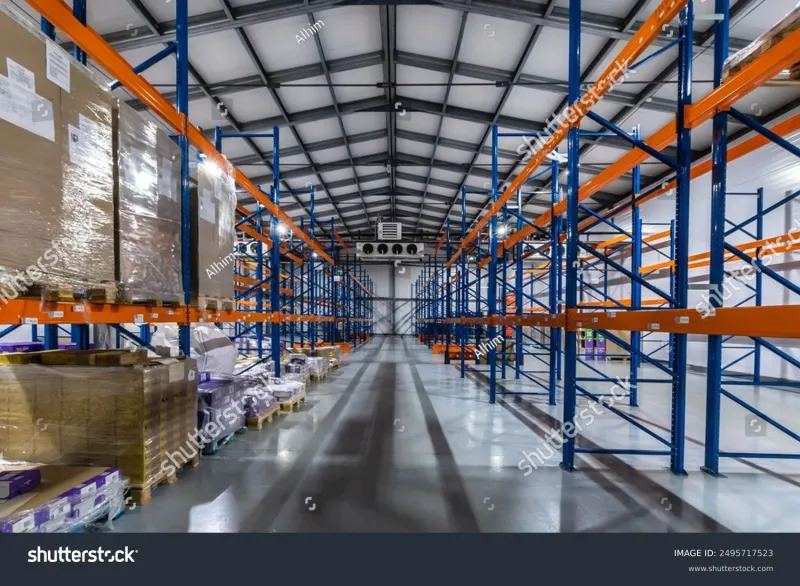
Storage and distribution uses sit within the broader industrial planning class, and small satellites frequently run into conditions designed for a different kind of neighbour. Two constraints deserve early attention: power capacity, which matters for any site intended to charge a van fleet or run refrigeration, and vehicle access, which is often the difference between a workable site and an expensive mistake. Grid connection lead times in particular have a habit of extending beyond the lease term that justified the investment.
Lease flexibility has improved. Three-year terms with tenant-only breaks, six-month licences, shared-user arrangements and racking taken on lease rather than purchased outright are all now common enough to be negotiable. For a satellite site whose purpose is to test a delivery model, that flexibility is worth more than a marginal saving on rent.
The Trade-offs, Stated Plainly
A central distribution centre still wins on cost per pallet position, inbound consolidation, handling of slow-moving and bulky lines, and yard capacity. It loses on cut-off times, per-drop delivery cost in dense areas, returns collection and the ability to respond to same-day demand.
A city-fringe satellite wins on delivery density, cut-off extension, returns handling and driver productivity. It loses on rent per square foot, storage depth, operating hours and the range of stock it can sensibly hold. The mistake most often made is treating the satellite as a smaller version of the main site; it should be a deliberately narrow stockholding carrying only what the delivery model justifies.
A Practical Screen Before You Sign
- Order density. Map the last twelve months of drops against drive time from the proposed site. If the density does not support a meaningful reduction in cost per drop, the case is weak.
- Velocity split. Only fast-moving, high-frequency lines belong in a satellite. Slow movers should stay where storage is cheap.
- Rent ratio. Model the premium against realistic delivery savings, and be honest about volumes — a satellite that is only half-used is a subsidy to the landlord.
- Tenure and exit. Match break clauses to the contract terms the site is meant to serve.
- Planning and routing risk. Confirm consent, hours and HGV access before committing to fit-out.
- Power and charging. Establish capacity and lead times early if electrification is part of the plan.
- Labour. City sites are easier to staff for picking and customer service, harder for HGV parking and early shifts. Test both.
The Verdict
Moving closer to the customer is not a strategy in itself; it is a response to a cost curve that has shifted. For Scottish operators the sensible position in 2026 is neither wholesale relocation nor stubborn centralisation, but a deliberate network design in which each site has a defined job — depth at the centre, speed at the edge — and a lease short enough to allow the model to be revised when the delivery market moves again.