The Second Journey: Giving Reverse Logistics a Fixed Address in Scottish Warehousing
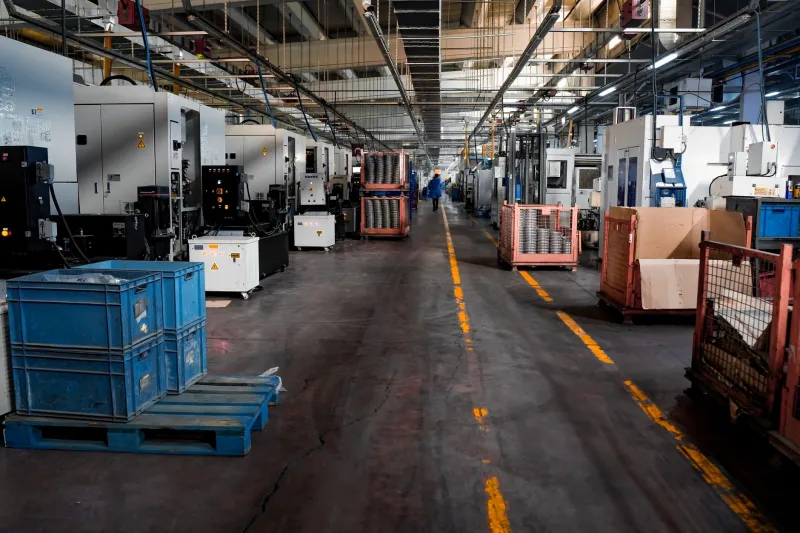
Forward logistics is designed around certainty. A product is received, stored, picked, packed and dispatched along a route that has been mapped, measured and costed. Returns arrive with none of those assurances. They come back in mixed condition, on unpredictable schedules and in volumes that are difficult to forecast. For many Scottish warehouse operators, reverse logistics is still treated as an exception to be absorbed by spare labour and leftover space. That approach works until returns volumes rise, at which point the exception becomes a silent drain on capacity, accuracy and margin.
The growth of e-commerce and retailer take-back schemes has made returns a permanent feature of the supply chain rather than a seasonal nuisance. The operational question is not whether a Scottish warehouse needs to handle returns, but where that work should happen and how it should be separated from forward picking. The answer lies in giving reverse logistics a fixed address: a defined zone, a disciplined flow and a set of routines that make returns visible.
Why returns need their own geography
A returns area is not simply a corner of the warehouse with a few pallets and a clipboard. Reverse logistics involves multiple activities that have little in common with put-away or picking. Goods must be received and deconsolidated, inspected and graded, held for query or compliance checks, repaired or refurbished where economic, and finally returned to stock, sent to a third party or disposed of through approved waste routes. Each step has different space, equipment and information requirements.
In Scotland, geography adds a further layer of complexity. Returns from the Highlands and Islands may arrive in consolidated loads after extended transit, while Central Belt operations may face frequent small deliveries from multiple carriers. A warehouse that handles both needs a receipt area that can absorb irregular arrivals without blocking inbound goods for forward stock. The returns zone should be positioned close enough to goods-in to avoid double handling, but separated enough that it does not compete with the main inbound flow.
Zoning the return path
A practical reverse logistics layout uses five distinct areas, arranged so that stock moves in one direction and does not double back into forward pick faces.
The first is returns receipt and deconsolidation. This is where carrier loads are checked against manifests, packaging is removed and items are logged. It should have space for pallets, cages and loose cartons, plus a clear route to the next stage.
The second is triage. Here, staff inspect condition, confirm identity, assign a reason code and make an initial disposition decision. Triage benches need good lighting, network access, label printers and enough bench space to handle awkward items. This is the decision point that determines whether a product re-enters saleable stock, goes for repair, is held for query or is scrapped.
The third is quarantine. Not every return can be processed immediately. High-value items, suspected counterfeit goods, products involved in disputes and items requiring regulatory checks should be held in a secure, clearly marked area. Quarantine is not storage; it is a controlled waiting room with a defined review date.
The fourth is refurbishment or repair. Where a Scottish warehouse carries out testing, cleaning or minor repair, this area needs tools, test equipment and appropriate ventilation. It should be separated from clean stock to prevent contamination.
The fifth is disposal and recycling. Packaging, waste electrical and electronic equipment, batteries and unsaleable goods all need controlled routes. This area should be planned with waste contractors, fire safety and environmental compliance in mind, not created as an afterthought.
Keeping forward picking clean
The greatest risk in reverse logistics is contamination of forward operations. A returned item that is put away before it has been graded can disrupt pick accuracy, damage customer confidence and create duplicate stock records. The discipline required is simple: no returned item enters a pick face until it has passed triage and been released by the warehouse management system.
That rule needs physical and system support. Floor markings, barriers and separate entrances help, but the system must also enforce status. Returns should sit in a dedicated location code until disposition is complete. Only then should they be transferred to saleable stock, repair, quarantine or scrap. Without that control, returns become a source of phantom inventory and a quiet cause of mis-picks.
Staffing the reverse shift
Returns work is often treated as fill-in duties for staff during quiet periods. That underestimates the skill involved. Triage requires product knowledge, judgement and consistency. Staff must recognise damage, identify missing parts, check for signs of use and apply reason codes correctly. In a Scottish labour market where warehouse skills are already stretched, using untrained staff for returns is a false economy.
A small dedicated returns team, supported by cross-trained staff at peak, usually works better than a rotating pool. Shift patterns should reflect carrier arrival times rather than forward picking patterns. Training should cover product assessment, data protection, battery and hazardous item handling, and the difference between a customer damage claim and a transit defect. Where devices are returned, data wiping and security routines must be explicit.
Data routines that stop the drain
Reverse logistics becomes a silent capacity drain when it is not measured. Operators should track returns volume by reason code, disposition outcome, cycle time from receipt to final action, recovery value and the proportion of returns that are returned to vendor. These figures should be reviewed weekly, not annually.
The data has a forward use as well. High return rates for a particular product line, carrier or packaging format are a signal to buying, merchandising and suppliers. A warehouse that records returns properly can help the wider business reduce them. That is a supply chain contribution, not merely a housekeeping task.
Compliance and the Scottish context
Retailer take-back schemes and e-commerce returns bring mixed streams of packaging, electricals, batteries and textiles. Scottish operators must ensure waste carriers are authorised, waste transfer notes are completed and hazardous items are segregated. Fire safety routines should account for lithium-ion batteries in returned devices. Where returns are consolidated from remote areas, quarantine times may need to be longer to allow queries to be resolved.
A fixed address, not a forgotten corner
Reverse logistics will not disappear. The operators who handle it well will be those who stop treating it as an exception and give it a planned place in the warehouse. That means a defined zone, a one-way flow, trained staff and data that makes the cost visible. In a market where every square metre has to work, the return leg deserves the same discipline as the outbound one.