Standing Orders: Racking Inspection Routines Built for Peak-Season Pressure

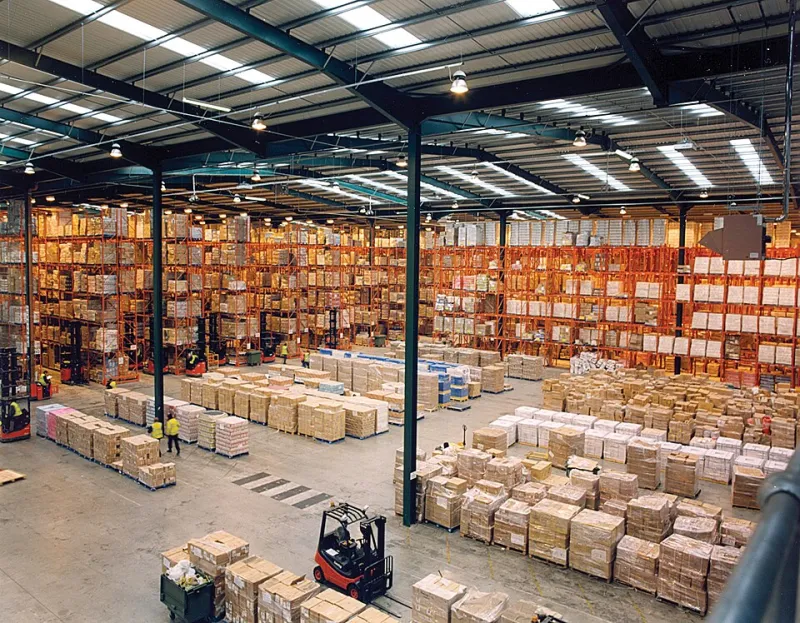
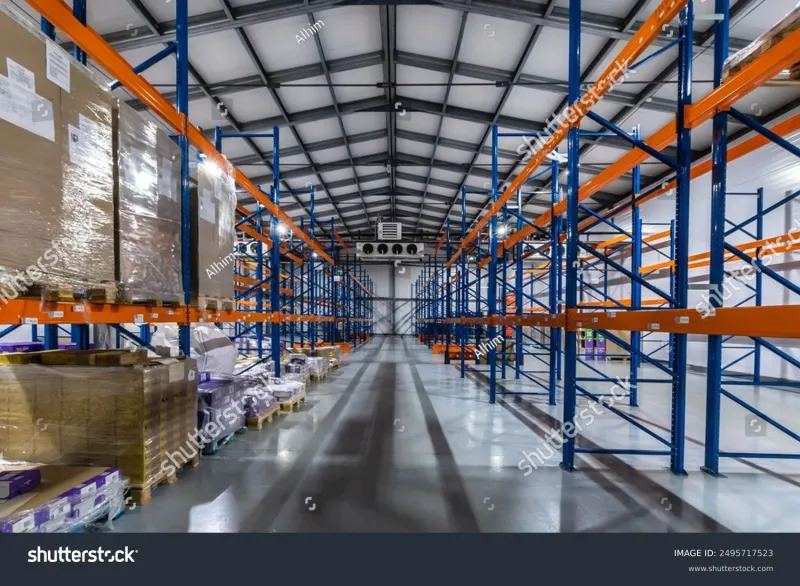
Photo: warehouse racking inspection upright beam end guard forklift, via www.masterslogistical.co.uk
Peak season has a way of exposing the assumptions embedded in a warehouse. A rack that looked serviceable in a quiet October can become a source of concern once inbound pallets arrive in volume, forklift movements intensify and temporary staff take to unfamiliar aisles. Yet many routine racking checks still begin and end with a pallet count: are the locations full, how many are empty, and can the next delivery be accommodated? That is a capacity question, not an inspection regime.
Racking is structural equipment. Its condition should be assessed on its own terms—by trained people, against a consistent standard, with defects recorded and acted upon. The distinction matters for safety, for insurance and for the credibility of any warehouse operator’s due diligence.
Why pallet counts are not an inspection
A pallet count tells you how much stock is in the rack. It does not tell you whether an upright has been struck, a beam lock is missing, a base plate has lifted or an end guard has been pushed back into the aisle. Those defects can remain hidden in a busy operation because the rack still holds pallets. The risk is not theoretical: damaged racking can reduce load capacity, and a failure in a high-bay or narrow-aisle installation can have serious consequences for people and stock.
The operational problem is one of focus. In many Scottish warehouses, the weekly routine is built around order fulfilment and stock accuracy. Racking checks are often bolted on to a shift handover or a housekeeping walk. A more robust approach separates the inspection from the pallet count, even if both are recorded on the same handheld device.
What a practical audit covers
A useful racking inspection is systematic and repeatable. It does not need to be complicated, but it does need to cover the components most likely to be damaged and the areas where damage is most likely to occur.
Uprights
Check for impact damage, bends, twists, splits and corrosion. Pay particular attention to the lower sections and to uprights at aisle ends, corners and pedestrian crossings. A slight bow can be as significant as a visible dent, especially where it affects the verticality of the frame. Any upright with a suspected structural defect should be assessed by a competent person before the location is reused.
Beams and beam locks
Inspect beams for dents, bends and cracking, and confirm that beam locks and safety pins are present and engaged. Missing beam locks are a common finding after maintenance or reconfiguration, and they are easy to overlook when the beam is carrying a pallet. Check that beam levels are correctly located and that no unauthorised alterations have been made.
Floor fixings and base plates
Base plates should sit squarely on the floor and should not be distorted, corroded or loose. Floor fixings—where used—should be tight and undamaged. In older buildings, check for changes in floor level, cracked slabs or repairs that may have altered the seating of the rack. A rack that has been struck may move on its fixings without showing obvious damage at eye level.
End guards and protectors
End guards, corner protectors and column guards are there to absorb impact. If they are missing, loose or deformed, the underlying upright is more exposed. Inspect them as part of the rack, not as separate housekeeping items. Replace damaged guards promptly; a guard that has been pushed into the aisle is also a trip and collision hazard.
Aisle geometry and impact zones
Walk the aisle and look at the rack from the operator’s perspective. Are there scuff marks, paint transfer or floor debris that suggest repeated impacts? Are there tight turns, blind corners or uneven surfaces that make contact more likely? The inspection should record not just the defect but its location and likely cause, because that information shapes the corrective action.
Where damage comes from in a Scottish operation
The causes are familiar across the UK, but Scottish warehouses have their own patterns. Older industrial estates can have constrained yards and tight vehicle manoeuvring areas. Mixed rack types and legacy installations may sit alongside newer high-bay equipment. Seasonal peaks bring temporary staff and hired forklifts, both of which can increase the risk of impact while people learn the layout. Wind-driven rain and cold conditions can affect yard surfaces and floor slabs, and poorly presented loads or low-quality pallets can put additional stress on beams and uprights.
There is also the quiet damage that comes from repeated small contacts. A warehouse can pass a visual check for months while a particular aisle end takes regular knocks from pallet trucks. The cost is not only structural: repeated damage is a leading indicator of operational friction, whether from aisle width, lighting, signage or driver behaviour.
SEMA guidance and the repair decision
The Storage Equipment Manufacturers’ Association (SEMA) publishes guidance for the inspection and maintenance of racking. The principle is straightforward: damaged racking should be assessed by a competent person, risk-rated and either repaired or replaced according to the severity of the defect. Cosmetic marks may be tolerable; bent uprights, damaged beams and missing safety components are not.
Repair versus replacement is often a commercial decision as much as an engineering one. A replacement upright or beam may be quicker and safer than attempting a field repair, particularly where the component is load-bearing. Any repair should be carried out to the manufacturer’s instructions and by a competent person. Patching, straightening or welding damaged structural components without approval is not a maintenance shortcut; it is a way of undermining both the rack’s integrity and the operator’s insurance position.
Insurance deserves a mention because racking damage is a known risk. Insurers and loss adjusters increasingly expect evidence of a formal inspection regime, defect records and a clear escalation process. A folder of signed checklists is more persuasive than an assurance that staff keep an eye on things.
Documenting without slowing operations
The inspection regime should fit the operation, not the other way around. A practical model has three layers. First, a daily visual check by trained warehouse staff: aisle walks, obvious impact damage, missing guards, blocked sprinklers or signage. Second, a weekly or fortnightly detailed inspection by a nominated racking inspector, recorded against a standard checklist. Third, an annual or post-incident expert inspection by a competent external provider, with a written report and risk ratings.
Digital records help. QR codes on uprights allow inspectors to log defects by location, attach photographs and set a review date. A simple racking register can track open defects, quarantine locations and close-out evidence. The key is to make reporting easier than ignoring: a short form, a clear escalation route and a named person responsible for follow-up.
Operations should also build hold points into the peak timetable. Any location with a red-rated defect should be taken out of service until made safe. Amber defects should have a dated action. Green observations can be logged for the next maintenance window. That discipline prevents a small defect from becoming a peak-season failure.
A routine that survives pressure
Racking inspection is not a paperwork exercise, and it is not a substitute for good driver training or aisle design. It is a control that confirms the storage system remains fit for purpose as volumes, people and equipment change. In the final weeks of the year, when every pallet position counts, the temptation is to defer maintenance. That is precisely when a standing routine earns its keep. The aim is not to slow the warehouse down; it is to keep the rack standing, the stock moving and the insurance cover intact.